
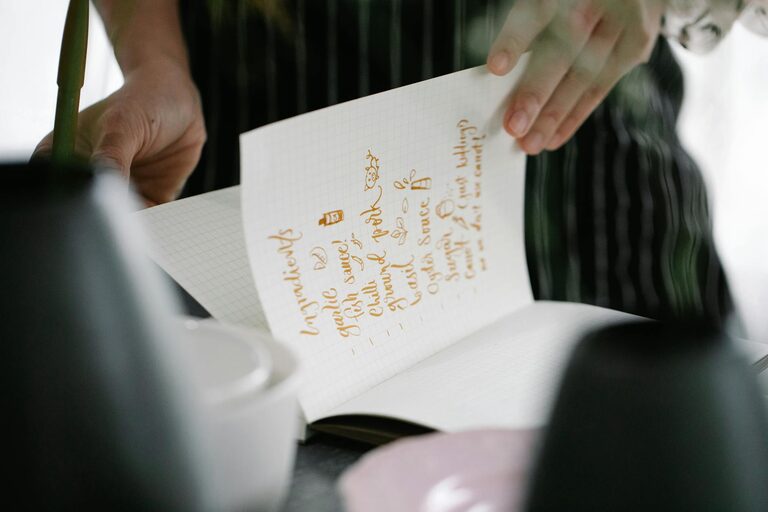
Planning meals using pantry staples is a smart way to make cooking easier, reduce food waste, and save money. Your pantry often holds the basics needed for countless dishes, from hearty soups to flavorful pasta meals. With a little organization and creativity, you can turn those shelf-stable ingredients into satisfying lunches and dinners all week long. In this post, we’ll explore how to organize your pantry, choose staple ingredients wisely, and plan versatile meals without daily trips to the grocery store.
Why Use Pantry Staples for Meal Planning?
Pantry staples are non-perishable or long-lasting foods that form the foundation of many recipes. Using these ingredients can:
– Save you time by reducing the need for frequent shopping
– Cut down on food waste through better use of ingredients
– Keep your meals budget-friendly
– Help you stay prepared for busy days or unexpected guests
With a well-stocked pantry, you can whip up meals quickly and customize them based on what you have.
Step 1: Organize Your Pantry
Before you start meal planning, take a moment to organize your pantry. This makes it easier to see what you have and identify ingredients you might need to restock.
Tips for pantry organization
– Group similar items: Keep baking ingredients, canned goods, grains, and spices together.
– Label shelves or containers: Use clear labels to find items faster.
– Check expiration dates: Remove expired items and rotate older products to the front.
– Keep a running inventory: Maintain a list of staples on your phone or a kitchen board.
A tidy, well-organized pantry makes meal planning less stressful and more efficient.
Step 2: Build Your Essential Pantry Staples List
Every kitchen’s ideal pantry staples may vary depending on diet and taste preferences, but some essentials provide flexibility for different cuisines.
Basic pantry staples to consider
– Grains: Rice, pasta, quinoa, oats
– Canned goods: Tomatoes, beans (black, chickpeas, kidney), tuna
– Baking supplies: Flour, sugar, baking powder, yeast
– Cooking oils: Olive oil, vegetable oil
– Vinegars: Apple cider, balsamic, white vinegar
– Spices and herbs: Salt, pepper, garlic powder, paprika, dried oregano, chili flakes
– Broths or bouillon cubes: Vegetable, chicken, or beef broth
– Nut butters and sauces: Peanut butter, soy sauce, hot sauce
Having these staples on hand allows you to mix and match ingredients for various dishes.
Step 3: Plan Meals by Combining Pantry Staples with Fresh Ingredients
While pantry staples are the base, adding fresh produce, dairy, or protein will elevate your meals.
Sample meal ideas using pantry staples and fresh items
– Pasta with tomato sauce and vegetables
Use canned tomatoes, dried pasta, olive oil, garlic powder, and fresh zucchini or spinach.
– Bean chili
Combine canned beans, canned tomatoes, chili powder, onions, and bell peppers.
– Stir-fry
Use rice, soy sauce, frozen or fresh veggies, and a protein like tofu or chicken.
– Oatmeal with peanut butter and fruit
Prep oats with milk or water, top with peanut butter and sliced bananas.
– Soup From broth and beans
Combine vegetable broth, canned beans, spices, and fresh carrots or celery.
These meals are quick to prepare and customize depending on what you have available.
Step 4: Use Meal Planning Techniques for Pantry Staples
Creating a weekly plan helps avoid last-minute decisions and reduces food waste.
How to plan your pantry-based meals
- **Assess your pantry inventory**: List what staples are ready to use.
- **Select recipes or dishes that can be made from these staples**.
- **Choose complementary fresh ingredients** for each meal based on your preferences and availability.
- **Schedule meals on specific days**, considering how long fresh ingredients last.
- **Prepare batch meals or pre-chop ingredients** for busy days.
Using a meal planner app, calendar, or even a simple notebook can keep you organized.
Step 5: Tips for Stretching Pantry Ingredients
Sometimes you want to get creative with what’s on hand.
– Mix multiple grains or beans for salads or bowls.
– Add spices and herbs to transform a simple base into global flavors.
– Make homemade sauces or dressings from pantry ingredients to upgrade meals.
– Use canned vegetables or frozen produce when fresh isn’t available.
– Repurpose leftovers into soups, wraps, or casseroles to reduce waste.
These strategies help you eat well without feeling confined by your pantry contents.
Final Thoughts
Planning meals from pantry staples is a practical way to stay organized, save time, and enjoy diverse dishes without daily supermarket runs. With a thoughtfully stocked pantry, a clear meal plan, and a bit of creativity, you can make delicious meals from the basics you already have. Take some time to organize and inventory your pantry this week, then try out a few simple meal plans to see how easy it is to cook confidently with pantry staples.
Happy cooking!